122 Lyon Street: The San Francisco Home Behind Janis Joplin’s Rise
Before Janis Joplin became one of rock’s defining voices, a Victorian apartment at 122 Lyon Street stood at the center of her transformation. Its story captures the exhilaration, pressure, and personal cost of her meteoric rise.
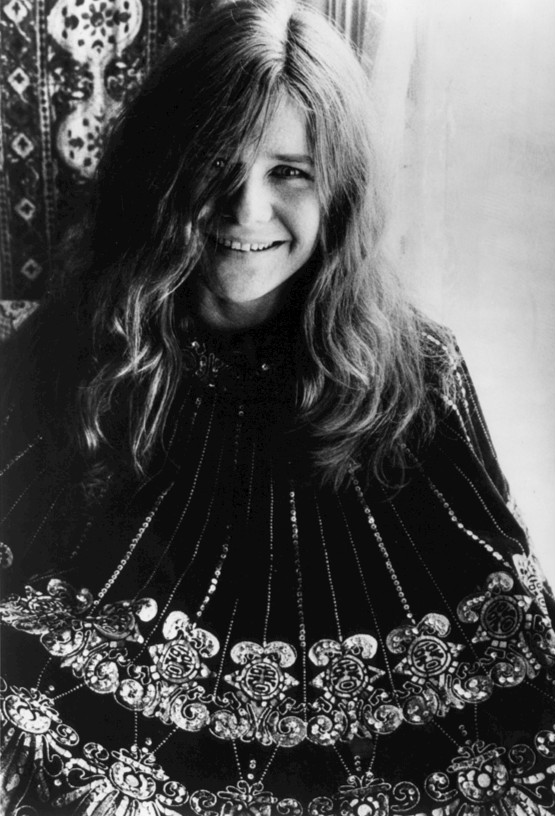
At 122 Lyon Street in San Francisco, a modest Victorian apartment became closely linked with one of the most dramatic transformations in rock history. Janis Joplin arrived there before worldwide recognition had turned her into a symbol of the 1960s. The address was not a glamorous mansion or a purpose-built monument to celebrity. It was a lived-in space connected to the uncertain, crowded, creative world from which her career emerged.
San Francisco Before the Spotlight
In the mid-1960s, San Francisco was a gathering place for musicians, artists, and young people searching for a different way to live. The city’s counterculture rewarded experimentation, and its clubs offered performers a chance to build an audience without fitting into the polished expectations of mainstream entertainment.
Joplin entered that environment as an outsider with an unmistakable voice. Her style was raw, blues-informed, and emotionally exposed. At a time when many female performers were expected to appear controlled and carefully presented, she performed with a force that made vulnerability part of the spectacle. The city gave her room to develop, but it also placed her inside a scene that could be demanding, chaotic, and unforgiving.
The Apartment at 122 Lyon Street
The importance of the Lyon Street apartment lies less in luxury than in timing. It was associated with the period when Joplin was still moving between obscurity and possibility, before success had fully separated her from ordinary life. Rooms like this became rehearsal spaces, meeting places, and temporary shelters for artists whose futures were impossible to predict.
Seen from a distance, the address can seem like a shrine to a finished legend. In its original context, however, it represented uncertainty. Joplin was still becoming the performer audiences would later recognize. The contrast is what gives the place its power: an everyday home became part of the story because the person connected to it changed so completely.
Finding a Voice That Could Not Be Ignored
Joplin’s rise was built on more than volume or theatricality. She could make a song sound physically inhabited, as though every phrase had passed through experience before reaching the microphone. Her singing carried the influence of blues and soul while remaining distinctly her own—gritty, elastic, and often startlingly intimate.
With Big Brother and the Holding Company, she found a band and a local scene capable of amplifying that identity. Their performances turned into events. Audiences did not simply hear a technically skilled singer; they watched someone take emotional risks in public. That intensity helped establish Joplin as one of the defining performers of the San Francisco movement.
When Success Changed the Scale of Everything
The release of Cheap Thrills transformed the group’s reach. What had grown inside clubs and countercultural venues now reached a national audience. The album’s success confirmed Joplin’s star power, but it also changed the conditions around her. More attention meant more expectations, more travel, more scrutiny, and less privacy.
Fame offered opportunity while narrowing the space in which she could simply be a developing artist. The public wanted the extraordinary figure it had discovered, and the music business wanted that figure to keep delivering. The person behind the performance had to carry an increasingly heavy image of rebellion, freedom, and emotional extremity.
The First Break
Joplin’s departure from Big Brother and the Holding Company marked a major turning point. A solo career could give her greater control and a larger platform, but it also meant leaving behind the chemistry that had helped define her breakthrough. The move was professionally understandable and personally complicated. Success can create distance from the people and places that made it possible.
That tension is reflected in the way 122 Lyon Street is remembered. The apartment belongs to an earlier chapter, before the career became too large to fit inside familiar rooms. Its significance comes from the feeling that it captures a life at the threshold: not yet secure, but already moving toward something irreversible.
Pearl and the Unfinished Future
Joplin’s later work showed an artist continuing to evolve rather than merely repeating the formula that had made her famous. The songs associated with Pearl reveal a performer capable of swagger, tenderness, humor, and loneliness. They also make her unfinished future especially poignant.
She died in 1970 at the age of 27, before she could hear the completed album that would become one of the central records of her legacy. Her death fixed the public image of a young star at the moment of greatest promise, while obscuring the longer artistic life she might have built.
Why the House Still Matters
Historic homes connected with famous musicians can easily become reduced to souvenirs. The story of 122 Lyon Street is more meaningful when it is understood as a record of transition. It points to the distance between the person working toward recognition and the icon created afterward.
The apartment did not cause Joplin’s success, and it cannot contain the full story of her life. What it offers is a physical point of entry into a larger question: what happens when a private person becomes a public symbol faster than either the individual or the surrounding world can absorb?
That is the tragedy attached to the address. It evokes not only the excitement of discovery, but also the destruction that can follow when talent, fame, pressure, and personal struggle collide. Janis Joplin’s legacy remains powerful because the voice still sounds alive. The rooms associated with her early rise remind us that behind that immortal sound was a human being still searching for a way to live inside her own extraordinary success.