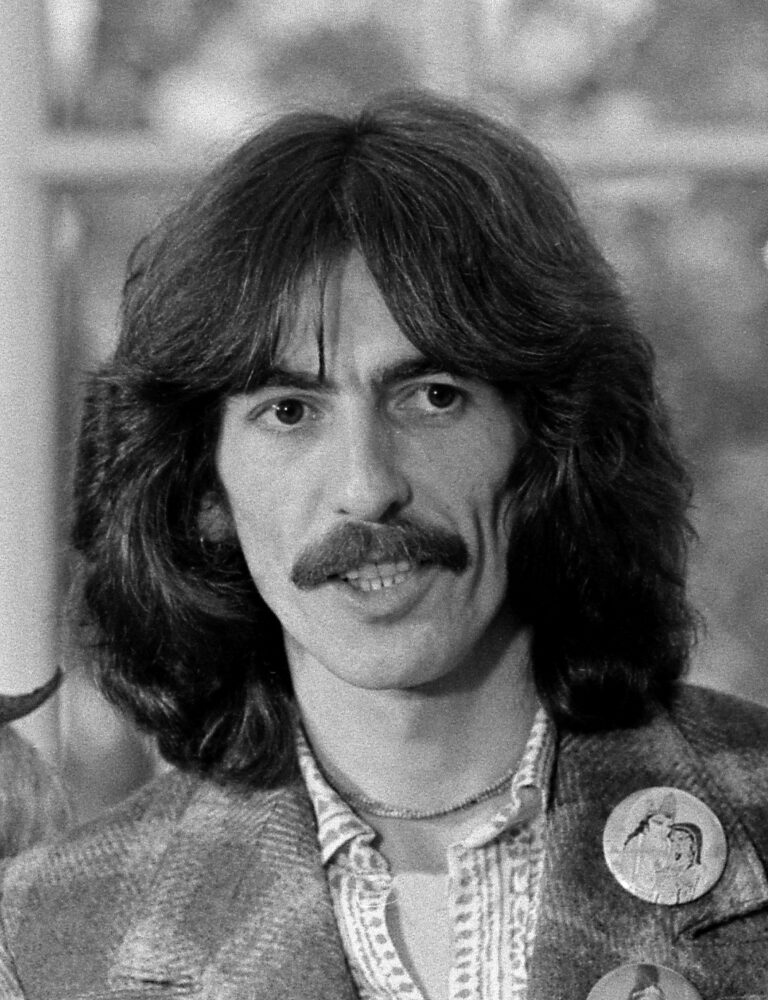
Kurt Cobain’s Lake Washington Home and the Weight of His Final Days
Kurt Cobain’s Lake Washington residence was meant to be a private refuge. In the final months of his life, the house became inseparable from the pressure, isolation, and tragedy surrounding the Nirvana frontman.
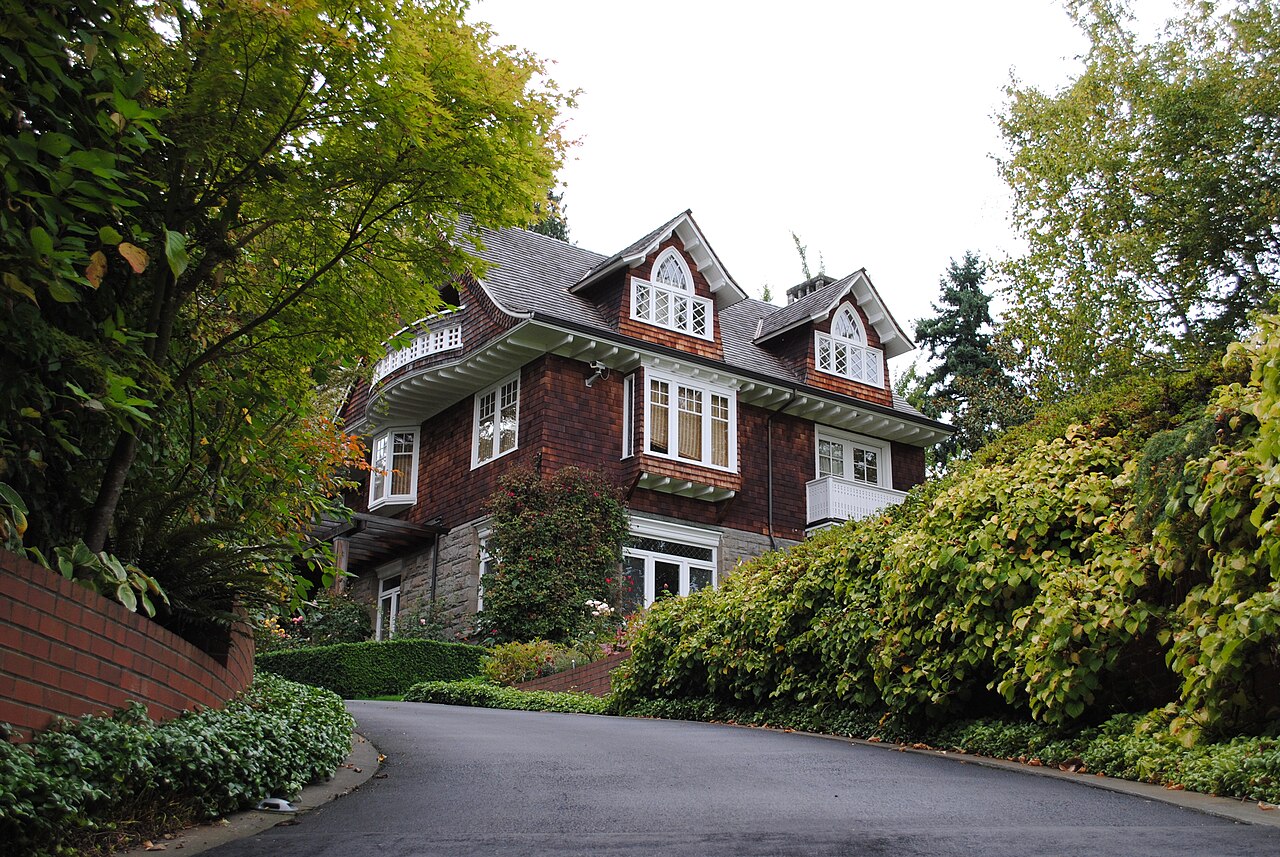
In Seattle’s affluent Denny-Blaine neighborhood, a large home overlooking Lake Washington became closely associated with Kurt Cobain’s final chapter. Purchased in early 1994 for roughly $1.48 million, the property promised privacy and stability. Instead, it became a place remembered through the growing strain around Cobain’s health, fame, and family life.
A Dream Home in Seattle
The residence stood apart from the cramped apartments and restless touring life that had defined much of Nirvana’s rise. Its scale, grounds, and location suggested a new kind of security: room for a family, distance from crowds, and the protection that wealth can provide. For Cobain and Courtney Love, however, a more comfortable address could not erase the pressures that followed them.
The home’s appeal was also tied to its seclusion. Lake Washington and the surrounding neighborhood offered a quieter setting than the center of Seattle, while high walls and controlled access made the property feel removed from public life. That privacy carried a darker side. When a crisis unfolded behind those boundaries, the same features that offered refuge could make the house feel closed off from help.
The Final Ninety Days
Cobain spent only a short period in the home. The final months were marked by escalating personal and medical concerns, attempts to regain control, and the relentless attention that accompanied Nirvana’s fame. The mansion did not cause those struggles, but its meaning changed as they intensified. A place purchased as a fresh start came to represent how little a beautiful setting can protect someone from despair.
That contrast is what gives the property its uneasy reputation. The house was not a gothic ruin or an abandoned estate. It was a modern, valuable family home—precisely the kind of place usually associated with comfort. Its dark history came from the events and emotional weight carried into it, not from the architecture itself.
April 1994 and the House’s Lasting Image
Cobain’s death in April 1994 transformed the property in the public imagination. News coverage, fans, and later biographies repeatedly connected the Lake Washington address with the end of his life. The greenhouse on the grounds became especially significant because it was where Cobain was found, turning an ordinary domestic feature into one of the most recognizable locations in the story of grunge.
It is important to separate the physical building from the mythology that grew around it. The mansion was a setting, not an explanation. Reducing Cobain’s death to one house overlooks the complex combination of addiction, depression, fame, relationships, and isolation that surrounded him. The property matters because it concentrates those themes in one tangible place.
Why the Mansion Still Fascinates People
Interest in the home has endured because it challenges the familiar image of celebrity success. The purchase represented financial achievement and an attempt at domestic normality, yet it existed alongside profound private suffering. That tension has made the residence a symbol of the limits of money, privacy, and status.
For fans, the address is also part of a larger Seattle map of musical history. It sits among places associated with Nirvana and the wider grunge movement, but unlike a studio or concert venue, it was a private home. Its significance comes from the collision between public legend and intimate tragedy.
A Place, Not a Prison
Calling the residence a “last prison” captures the emotional force of the story, but it can also oversimplify it. Cobain was not defined by the house, and no building can fully explain his decisions or his pain. The more accurate interpretation is quieter: the home was intended as shelter, yet it became the backdrop to a period when shelter was not enough.
Today, the Lake Washington property remains a powerful reminder that the outward signs of success can coexist with severe private difficulty. Its history is dark not because the house was cursed, but because it became linked to the final days of an artist whose music had already given voice to alienation, vulnerability, and unrest.