Inside Kensington Palace: Princess Diana’s Years of Beauty and Isolation
Behind the public glamour of Kensington Palace, Princess Diana experienced a private life shaped by duty, scrutiny, emotional distance, and long stretches of solitude. Her story reveals the human cost of royal spectacle.
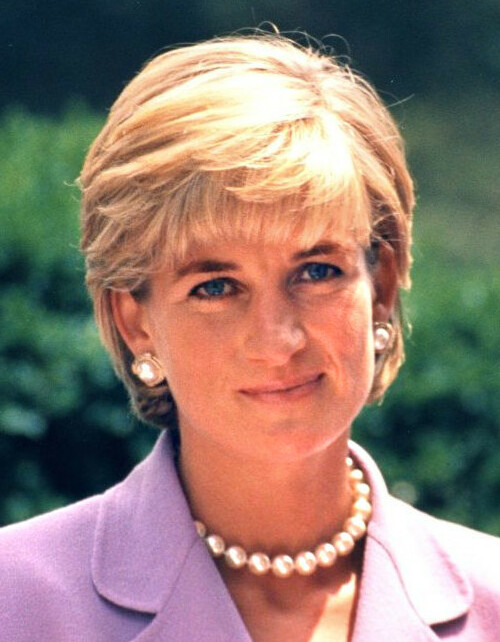
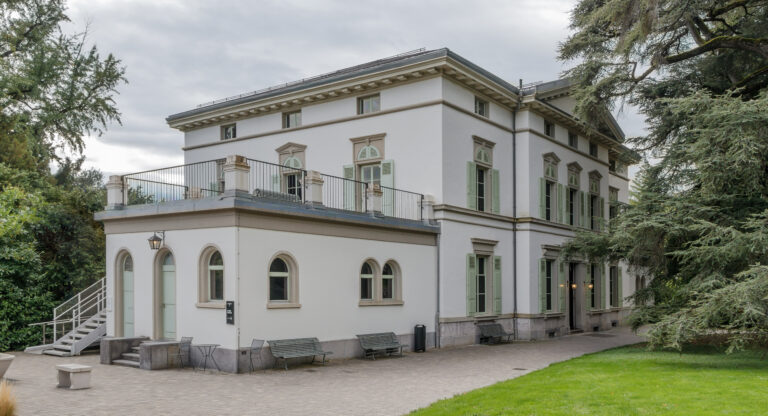
Kensington Palace is often imagined as a place of ceremony, elegance, and effortless privilege. Its grand rooms and historic façades suggest security and abundance. Yet for Princess Diana, life inside the palace could feel remarkably private and isolating. Behind the gowns, charitable visits, and constant headlines was a young woman trying to build an adult life inside an institution whose traditions were older than the nation’s modern media culture.
A young bride enters an ancient institution
Diana arrived at Kensington Palace at the age of 20, carrying the expectations attached to a future queen. Her public image was already becoming an international phenomenon. The world saw a beautiful, shy young woman whose clothes, expressions, and gestures were examined daily. Inside the palace, however, she still had to learn how to live with a new marriage, unfamiliar routines, formal obligations, and a household governed by rules that were rarely explained in ordinary terms.
The contrast was difficult. Public appearances offered applause and attention, but they did not necessarily offer emotional closeness. Diana’s every movement could be recorded, interpreted, and repeated. Even ordinary experiences—leaving the house, meeting friends, or spending time with her children—took place under a level of observation that made privacy difficult to preserve.
Luxury could not remove loneliness
Kensington Palace provided impressive surroundings, but luxury is not the same as companionship. A historic residence can be full of staff and still feel empty when the person at its center has no one with whom to share an unguarded evening. Diana’s life there was shaped by formal schedules, separate routines, and the emotional distance that accompanied a troubled marriage.
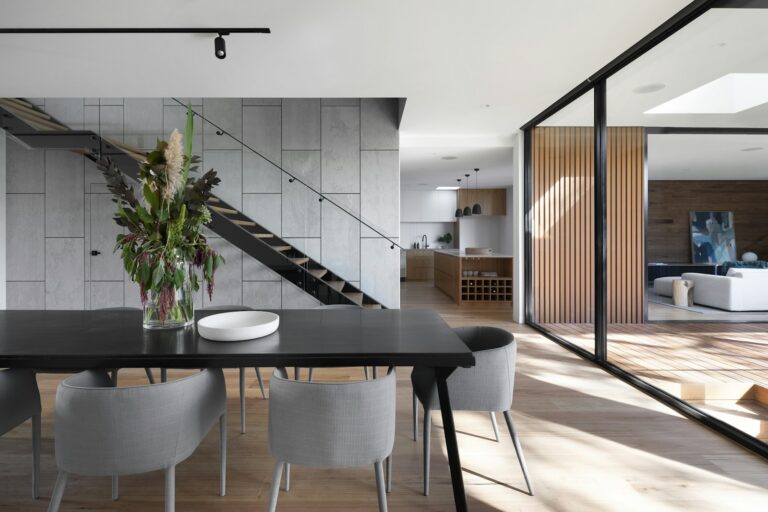
That loneliness was especially stark in the evenings. The palace had the physical scale of a public monument, yet Diana’s private world could narrow to a few rooms and a small circle of trusted people. The image of a princess dining alone captures this tension: the extraordinary setting on one side, and the ordinary human need for affection and conversation on the other.
Her position also made genuine friendship complicated. It was difficult to know whether people were drawn to Diana herself or to her title. The attention surrounding her could be flattering, intrusive, or both at once. In such circumstances, even a crowded calendar might leave a person feeling unseen.
The palace as refuge and pressure chamber
Over time, Kensington became both a refuge and a pressure chamber. Its walls offered a measure of protection from the public, but they also held the memory of years marked by conflict, disappointment, and relentless scrutiny. The residence was not simply a backdrop to Diana’s story; it became closely associated with the different stages of her transformation.
She gradually moved beyond the role assigned to her. Her public work became more purposeful, and her approach to royal duties grew more personal. She connected with people who were often ignored by formal institutions, including patients, children, and families affected by illness or social exclusion. Her ability to communicate warmth made her an unusually powerful figure, but it also intensified the attention directed at her.
The palace therefore contained an important contradiction. It sheltered a woman who was becoming more independent while also reminding her that independence had limits. Diana could reshape her public identity, but she could not completely escape the structure that had made her famous.
Motherhood in the public eye
Her sons gave palace life a different emotional center. Diana wanted William and Harry to experience affection, humor, and ordinary moments that were not always available to members of the royal family. She brought a visible warmth to motherhood and tried to give her children a sense of the world beyond ceremony.
Even these private hopes were affected by public interest. The boys were watched because of who their parents were, and Diana’s parenting was often judged through the press. Family life could never be entirely separate from the institution surrounding it. Moments meant to be personal were easily turned into symbols, photographs, or arguments about the future of the monarchy.
From royal residence to personal threshold
By the later years of her life, Diana’s relationship with Kensington Palace had changed. It was no longer only the home of a young bride learning royal customs. It had become the base from which she pursued a more independent public role and a more direct relationship with the causes she supported.
That evolution came with a cost. The more clearly Diana spoke in her own voice, the more intensely the media followed her. The palace could provide an address, staff, and security, but it could not guarantee emotional peace. Nor could its grandeur resolve the private questions that had troubled her for years.
When Diana died in August 1997, the sudden emptiness left behind at Kensington carried a powerful symbolic weight. A residence that had once represented a glittering new beginning was left with rooms, possessions, and memories but without the person who had made it the center of public fascination.
What the palace reveals
Diana’s years at Kensington Palace show why material privilege cannot be used as a simple measure of happiness. She lived among priceless objects and historic architecture, yet faced pressures familiar to anyone who has felt isolated inside a demanding relationship or public role. Her experience also shows how fame can separate a person from ordinary life even while creating the illusion that everyone knows them.
The enduring image of Diana is therefore more complicated than glamour. She was a global icon, but also a young woman adapting to an impossible level of attention. She was surrounded by tradition, but searching for emotional freedom. And she lived in a palace whose beauty could not conceal the sadness carried within its walls.