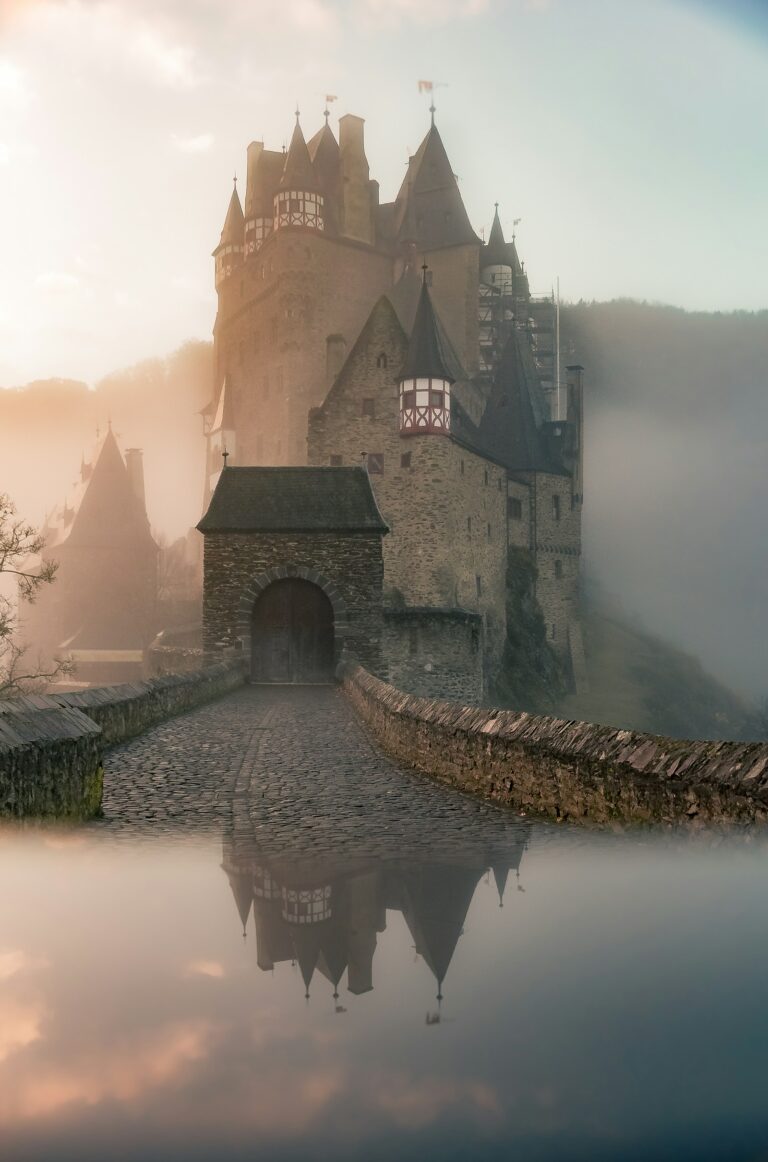
When a Private Haven Becomes a Public Mystery
George Michael’s home became more than a luxury property: it was a retreat shaped by fame, privacy, grief, and the unanswered questions left behind.

George Michael’s home was never simply a place to live. Set apart from the noise of celebrity, it represented the private life he worked hard to protect: a life of music, friendship, reflection, and, increasingly, solitude. Behind the gates and polished surfaces, the house became a symbol of the distance between public success and personal peace.
The house behind the image
To the outside world, a famous musician’s residence can look like the final proof of achievement. Large rooms, secluded grounds, and the promise of quiet seem to offer everything that a demanding career denies. Yet a property can also preserve the contradictions of its owner. It can be welcoming and isolating, beautiful and emotionally heavy, open to loved ones but closed to almost everyone else.
That tension defined the fascination surrounding Michael’s home. It was associated with the comfort of privacy, but also with the silence that followed a life lived under constant observation. The more people imagined the house as a sanctuary, the more they wondered what it was like when the guests had gone and the music stopped.
Success does not end the struggle
Michael reached a level of fame that few performers ever approach. His voice, songwriting, and stage presence made him an international star, while his work with Wham! and as a solo artist created a catalogue that remained part of popular culture for decades. That success brought wealth and freedom, but it also intensified scrutiny.
Public recognition can make ordinary privacy feel impossible. Every friendship may be interpreted, every absence may become a story, and every change in appearance or behavior may invite speculation. A secluded home offers protection from that pressure, but it cannot erase the emotional cost of living with it. Walls can keep cameras out; they cannot automatically quiet fear, regret, or loneliness.
A retreat shaped by loneliness
The darker story attached to Michael’s home is not that luxury itself was tragic. It is that comfort can coexist with isolation. A person may have money, familiar surroundings, and people who care about them while still feeling cut off from a stable sense of belonging. In that setting, silence can be restorative one day and oppressive the next.
Michael’s private life was often discussed through fragments: periods of withdrawal, personal losses, difficult headlines, and the strain of being known by millions while remaining unknown in intimate ways. The house became a place where those fragments seemed to gather. It was a refuge from the world, but it also reflected how hard it can be to return to the world after years of retreat.
What remains after the spotlight
After a major artist dies, a home is quickly transformed into a symbol. Fans see memory in its rooms. Reporters see a setting for unanswered questions. Buyers see architecture and land. Those perspectives rarely agree, and none can fully explain what a private space meant to the person who inhabited it.
The most compelling lesson is therefore less about property than about perception. A mansion can suggest fulfillment while concealing exhaustion. A locked gate can represent safety, but it can also mark separation. The polished image of success tells only half the story; the other half is found in the quiet decisions, relationships, and struggles that never become public.
The cost of being unreachable
George Michael’s story continues to resonate because it resists a simple conclusion. He was a gifted artist who achieved extraordinary success, yet his later years also carried visible signs of vulnerability. His home stands in the public imagination as a reminder that fame does not guarantee contentment and that privacy, while valuable, can become complicated when it turns into complete retreat.
In the end, the house matters because it gives physical form to a universal question: what happens when the life everyone envies does not feel like enough to the person living it? Its silence cannot answer that question. It can only make the question harder to ignore.