The French Village That Became Johnny Depp’s Most Costly Escape
Johnny Depp’s French estate was meant to be a private retreat, but its scale, expense, and repeated attempts to sell revealed the pressures behind celebrity luxury.
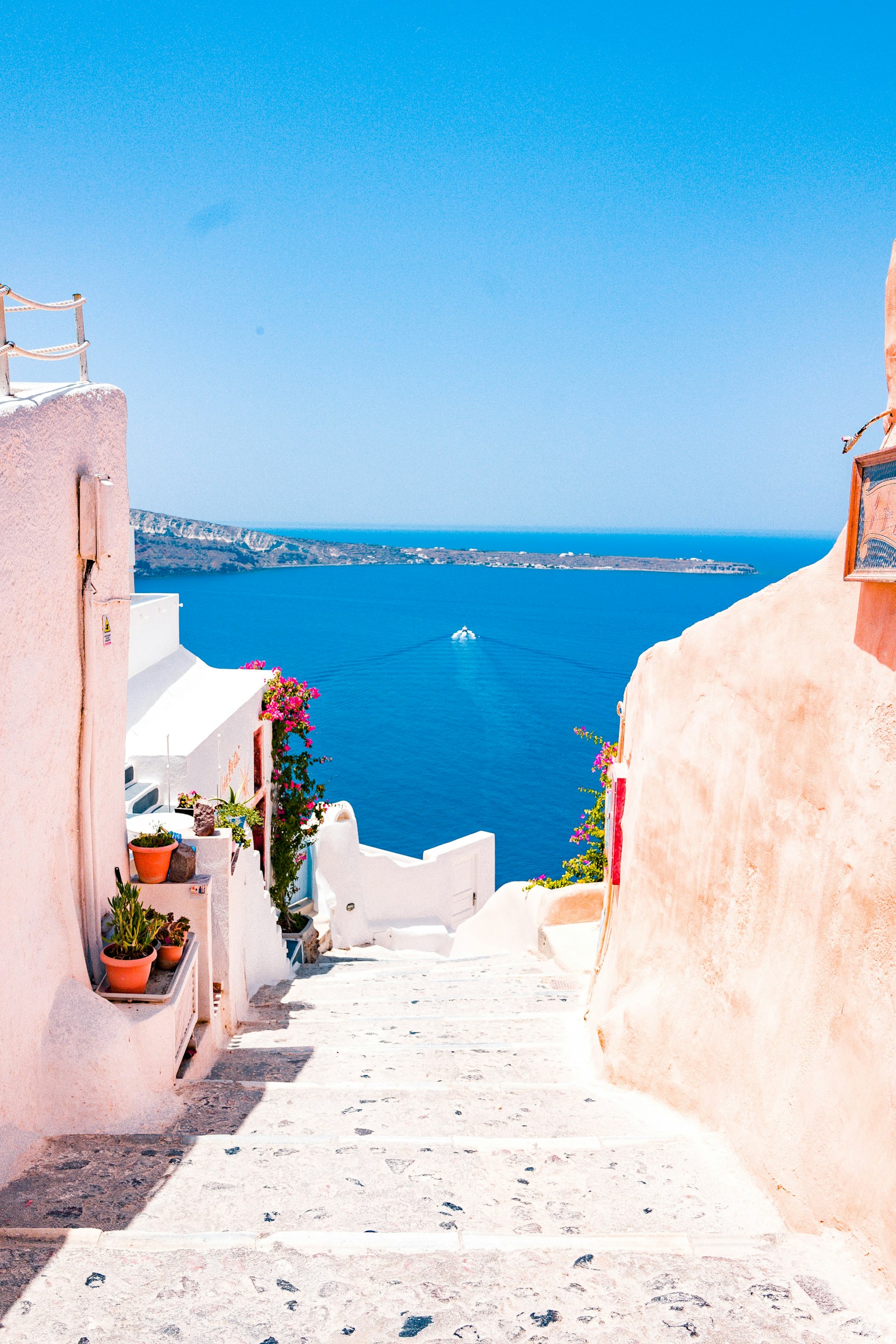
For a star accustomed to hotel suites, film sets, and homes designed for privacy, a village in the south of France might seem like the perfect retreat. Johnny Depp’s property near Plan-de-la-Tour offered something more unusual: stone buildings, gardens, workshops, restaurants, and enough space to create a private world far from Hollywood.
Instead, the estate became a complicated symbol of celebrity wealth. It represented freedom and imagination, but also the burden of maintaining an enormous private compound. Its story is less about the romance of owning a piece of Provence than about what happens when a dream becomes too large, too expensive, and too closely tied to a changing life.
A private world in Provence
Depp acquired the property in the early 2000s, when his career and finances were at a high point. The estate was not simply a large house. It was a former hamlet made up of roughly a dozen stone structures, many dating from the nineteenth century. The grounds included living quarters, guest spaces, a chapel, gardens, a swimming pool, and areas adapted for practical or creative use.
The scale made the property feel like a self-contained village. Rooms could be redesigned according to a particular mood, while old stone walls and Mediterranean landscaping supplied the atmosphere that money cannot easily reproduce. The result was highly personal rather than conventionally polished: part retreat, part studio, and part private fantasy.
Luxury with a permanent price tag
Creating that kind of environment required more than a purchase price. Buildings had to be restored, utilities maintained, gardens managed, and staff organized. The property’s many structures also meant that upkeep could never be treated like the maintenance of an ordinary vacation home.
Reports have placed Depp’s investment in the estate at more than $10 million. That figure helps explain why the village was both alluring and difficult to manage. The same features that made it distinctive—its size, age, and number of separate buildings—also made it costly. A luxury property can be an asset on paper while functioning as a continuous stream of expenses in practice.
There was also a less visible cost. A place designed as an escape still requires decisions, supervision, and attention. Privacy does not eliminate responsibility. In some ways, it increases it, because the owner becomes responsible for an entire ecosystem rather than a single residence.
When a retreat becomes a liability
As Depp’s personal and professional circumstances changed, the estate became harder to view as a carefree sanctuary. A property acquired during a period of abundance can look very different when legal disputes, changing income, and financial scrutiny enter the picture.
The contrast was stark. The village expressed permanence, yet the life around it was becoming increasingly unstable. It was filled with the visual language of escape—quiet lanes, old stone, expansive gardens—but it could not insulate its owner from the pressures that followed him beyond France.
That tension is what made the estate such a revealing possession. It was not an empty display of wealth. It was a project shaped by taste and imagination. But personal projects at this scale can become difficult to separate from financial reality. Every room and outbuilding may carry emotional meaning, while each one also adds to the cost of ownership.
The repeated attempts to sell
The property reportedly went on the market several times, with three unsuccessful attempts to find a buyer. Selling an unusual estate is never as simple as listing a standard luxury home. The buyer must want the location, accept the scale, and be willing to take on the obligations that come with historic buildings and extensive grounds.
A celebrity connection can create attention, but attention does not guarantee a transaction. Some buyers may be drawn to the story and then hesitate at the price or the work involved. Others may want the land but not the highly individualized design. A place built around one owner’s imagination can require substantial changes before it feels like someone else’s home.
The failed sales also exposed a broader truth about trophy properties: rarity can be both their greatest attraction and their greatest weakness. The more singular the estate, the smaller the group of people who can realistically live with it.
The illusion of the perfect refuge
Depp’s French village is often described through its beauty, but its deeper significance lies in the contradiction it embodies. It was built to offer distance from public life, yet its value was inseparable from the public identity of its owner. It promised control, but its size created new obligations. It suggested financial security, while its upkeep made it vulnerable to financial pressure.
That contradiction appears in many celebrity properties. Mansions, ranches, islands, and historic estates are presented as ultimate forms of freedom. In reality, they can become fixed commitments that demand constant resources. Their owners may be able to buy privacy, but they cannot buy exemption from maintenance, taxation, staffing, or market conditions.
What the estate says about reinvention
The French property also became part of the story of Depp’s public reinvention. A retreat associated with an earlier period of success can later be read as evidence of excess, loss, or an attempt to recover a more private self. The meaning of the place changes as the person connected to it changes.
That is why the estate remains compelling beyond its architecture. It captures the moment when fantasy meets administration. The stone buildings and Provençal landscape offer an image of permanence, but the property’s history shows that even the most beautiful refuge depends on fragile circumstances: steady income, stable relationships, and a willing market.
A beautiful burden
Johnny Depp’s French estate was conceived as a sanctuary, but it became something more complicated—a beautiful burden and a record of changing fortunes. Its gardens, buildings, and secluded setting made it extraordinary. Its cost and difficulty made it hard to preserve as a simple escape.
In the end, the village’s most revealing feature may be its contradiction. It offered the fantasy of getting away from everything, yet owning it meant carrying an entire world with you. For a celebrity, luxury can create distance from ordinary life. It can also make the consequences of change impossible to hide.