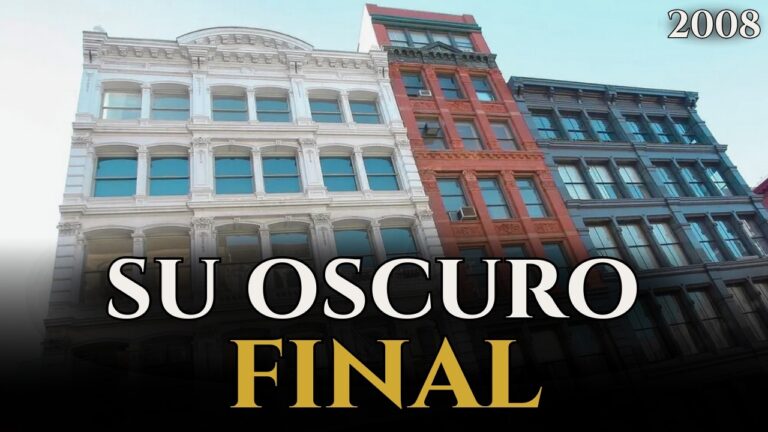
When a Haunted Mansion Became Nicolas Cage’s Financial Breaking Point
Nicolas Cage’s purchase of New Orleans’ notorious LaLaurie Mansion became inseparable from a darker story of historical trauma, paranormal legend, collecting, debt and financial collapse.

Few celebrity real-estate stories carry as much atmosphere as Nicolas Cage’s purchase of the LaLaurie Mansion in New Orleans. The transaction looked like the perfect addition to an actor’s collection of unusual properties: an imposing French Quarter residence wrapped in nearly two centuries of scandal, tragedy and ghost stories. Instead, the mansion became a symbol of how fascination, ambition and financial overreach can collide.
A House With a Disturbing Reputation
The building associated with Madame Delphine LaLaurie was constructed in 1832 at 1140 Royal Street. Its reputation is tied to the brutal treatment of enslaved people in the household of Delphine LaLaurie and her husband, physician Louis LaLaurie. In 1834, a fire exposed the abuse, provoking public outrage and a mob attack on the property. The historical record is painful; the supernatural stories that followed are much harder to verify.
Over time, the mansion became one of New Orleans’ most notorious addresses. Tales of apparitions, voices and unexplained disturbances transformed a site of real human suffering into a magnet for visitors fascinated by the paranormal. That mixture of documented history and embellishment helped make the property seem almost larger than life.
Why the Property Appealed to Nicolas Cage
Cage has long shown an interest in objects and places with unusual histories. His collection reportedly included rare comics, eccentric memorabilia and distinctive homes, including properties designed to stand out rather than blend in. The LaLaurie Mansion offered the ultimate version of that appeal: architectural character, a famous backstory and an aura of darkness that seemed made for a collector drawn to the extraordinary.
He bought the New Orleans property in 2007 for roughly $3.5 million. Public fascination immediately intensified. The purchase was not simply another luxury acquisition. It placed a major celebrity at the center of one of the city’s most enduring legends and invited speculation about what life inside such a house might feel like.
History, Legend and the Limits of the Haunted-House Story
The LaLaurie Mansion’s mythology has expanded far beyond what can be firmly established. Popular accounts describe hidden rooms, tortured prisoners and supernatural activity, but many details have been repeated and dramatized over generations. A responsible account has to keep two things separate: the documented history of slavery and violence, and the later ghost lore built around the address.
That distinction matters because paranormal storytelling can obscure the people who actually suffered. The mansion’s most disturbing legacy does not depend on proving that it is haunted. The cruelty associated with the household, and the social system that allowed it to exist, are horrifying without embellishment.
The Mansion and a Growing Financial Strain
Cage’s purchase came during a period when his property portfolio was becoming increasingly ambitious. He acquired homes in several locations and invested in distinctive residences, including a pyramid-shaped tomb in New Orleans’ St. Louis Cemetery No. 1. The collection created a striking public image, but multiple properties also meant taxes, maintenance, insurance, financing and other obligations.
His financial problems later became public through disputes with the Internal Revenue Service and claims involving millions of dollars in unpaid taxes. Cage blamed mismanagement by a former business manager, while the manager disputed that account. Whatever the competing explanations, the result was clear: properties were sold or lost, debts accumulated and the actor accepted a heavy workload to meet his obligations.
The LaLaurie Mansion was sold in 2009, only about two years after Cage bought it. That timing encouraged the idea that the house itself had somehow driven away its owner. The more prosaic explanation is stronger: it was an expensive asset caught in a rapidly worsening financial situation. The legend gave the sale a supernatural shape, but the underlying story was about leverage, taxes and an overextended portfolio.
From Private Residence to Public Spectacle
Because the mansion has remained private, visitors cannot casually tour its interior. That distance has helped preserve its mystique. Photographs, architectural descriptions and stories from earlier periods have filled in the gaps, while tour guides and popular media have continued to amplify the building’s reputation.
Its value now lies in several overlapping identities. It is an important historic structure, a reminder of New Orleans’ complicated past, a piece of celebrity real estate and a centerpiece of the city’s haunted-tourism economy. Each identity attracts a different audience, and together they keep the mansion in the public imagination.
What the Story Really Reveals
The most compelling lesson is not that a haunted house cursed an actor. It is that symbolic purchases can become risky when they are part of a much larger pattern. The mansion represented Cage’s taste for the rare and dramatic, but it also represented the costs of maintaining an image built around excess.
Its history adds another layer of warning. Turning a place associated with suffering into a glamorous collectible can make the owner part of an uncomfortable contradiction: the property is valued for its atmosphere while the people connected to its darkest history risk becoming background to the spectacle.
A Legacy Built on Two Stories
The LaLaurie Mansion endures because two narratives are attached to it. One is historical and grounded in the records of a society that permitted extraordinary cruelty. The other is folkloric, shaped by ghost stories, rumor and the public appetite for mysterious places. Nicolas Cage’s brief ownership added a third narrative about celebrity, collecting and financial collapse.
When those stories overlap, the mansion can look cursed. A closer view suggests something more complicated: a historic site burdened by trauma, a legend strengthened by repetition and a luxury purchase that became part of a very human financial crisis. The darkness surrounding the house is real—but it is not all supernatural.