The Pink Palace: Jayne Mansfield’s Glittering Dream and Hollywood’s Cruel Price
Jayne Mansfield’s Pink Palace was more than an extravagant Hollywood home. It was a monument to ambition, a stage for celebrity, and ultimately a costly reminder of how quickly fame can turn against the people who build their lives around it.
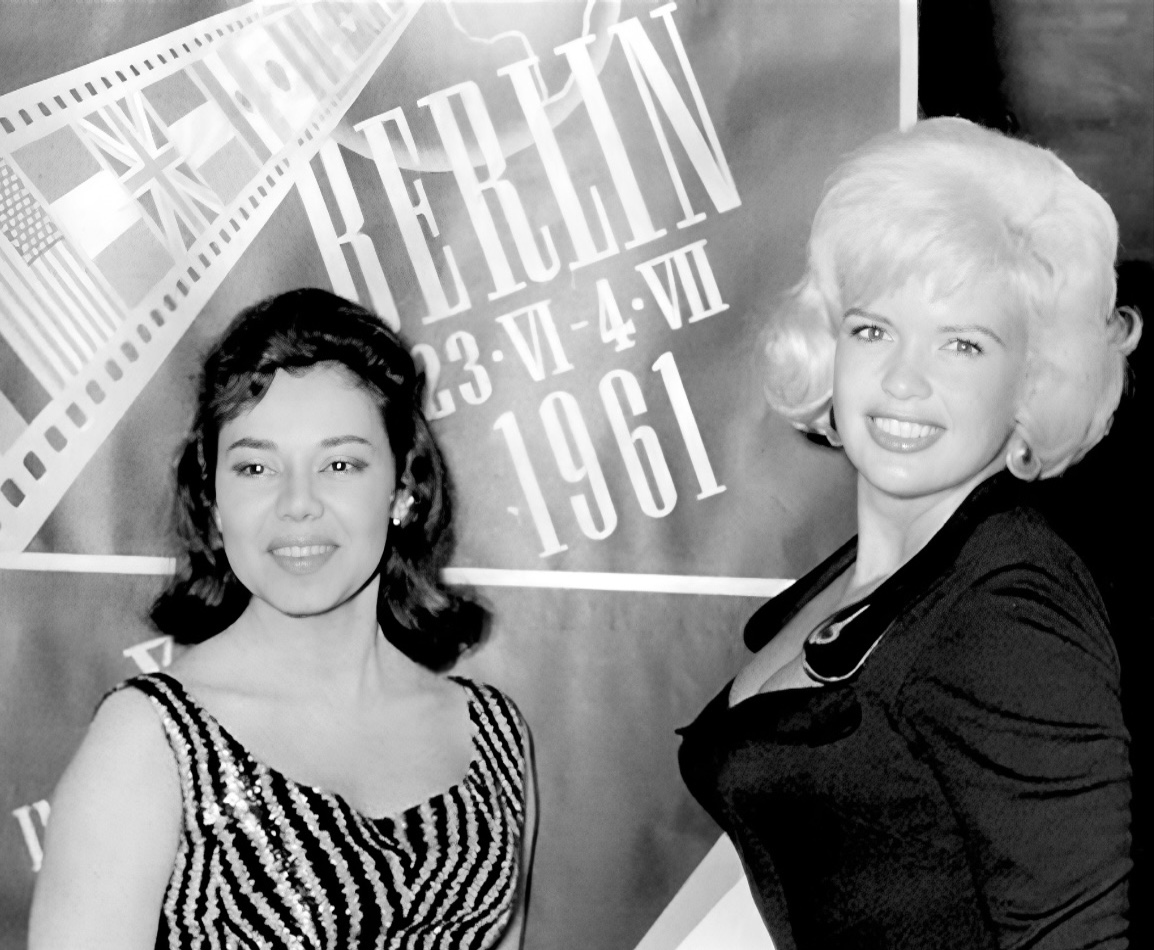
For a brief and dazzling moment, Jayne Mansfield’s home on Sunset Boulevard seemed to embody everything Hollywood promised. The house was bright, theatrical, and unmistakably hers: a pink fantasy designed to be seen, remembered, and talked about. Yet behind the spectacle was a more complicated story about ambition, money, marriage, celebrity, and the unstable life of a star who had to keep performing even when the applause began to fade.
A House Built for the Spotlight
Mansfield’s mansion became famous because it refused to behave like an ordinary home. Its pink exterior, elaborate interiors, heart-shaped swimming pool, and theatrical details made it feel closer to a film set than a private residence. Every room reinforced the image Mansfield cultivated in public—playful, glamorous, sensual, and larger than life.
The house was not simply a place to sleep. It was part of Mansfield’s brand. Visitors encountered a world of saturated color, plush surfaces, ornate decoration, and carefully arranged fantasy. In an era when Hollywood stars were expected to transform their private lives into public mythology, the mansion functioned as a permanent backdrop for that mythology.
Jayne Mansfield and the Business of Becoming an Icon
Mansfield understood that fame was not secured by talent alone. It required visibility, reinvention, and an image that could compete for attention in an increasingly crowded entertainment industry. She pursued acting, music, television appearances, and publicity with relentless energy, turning her persona into a kind of performance that continued beyond the screen.
That strategy brought her enormous attention, but it also created pressure. The public wanted the fantasy to remain constant, even as Mansfield’s career, relationships, and finances changed. The Pink Palace represented the height of that fantasy, but it also tied her identity to a lifestyle that demanded continuous maintenance.
When Luxury Becomes a Burden
Extravagance looks effortless from the outside. In reality, a mansion of this scale requires money, staff, repairs, and a reliable income. For a star whose career depended heavily on the changing tastes of the public, those demands could become dangerous.
The house’s extravagance eventually came to symbolize the gap between appearance and security. Mansfield could project abundance, but projection was not the same as stability. As professional opportunities shifted and personal circumstances became more complicated, the property became less a sanctuary than a financial weight. The dream had been built to announce success; it could not easily adapt to uncertainty.
The Darker Side of the Hollywood Fantasy
The mansion’s story reflects a broader pattern in Hollywood. Stars are encouraged to turn themselves into products, and the homes associated with them become extensions of that product. The public sees the color, the glamour, and the spectacle, while the less visible costs remain private.
For Mansfield, the contrast was especially stark. Her public image suggested control over a world of pleasure and luxury. Her actual life was marked by demanding work, complicated relationships, financial strain, and the constant need to remain relevant. The Pink Palace captured both sides at once: it was a dazzling achievement and a reminder that celebrity can make a person feel trapped inside an image of their own creation.
A Tragic End and a Vanishing Landmark
Mansfield’s death in a 1967 car crash gave the mansion an even darker place in Hollywood memory. The house continued to attract fascination because it had become inseparable from the woman who made it famous. After her death, its meaning changed. What had once looked like a declaration of triumph increasingly appeared as a relic of a brief, intense era.
The property passed through later chapters and eventually disappeared. Its demolition erased the physical setting, but not the story attached to it. The Pink Palace survived in photographs, recollections, and the cultural memory of a Hollywood that could build icons quickly and abandon them just as quickly.
What the Pink Palace Still Represents
Jayne Mansfield’s mansion endures as more than a curiosity from old Hollywood. It represents the seductive power of self-invention and the risks of making a public image the foundation of private life. Mansfield built a home that looked like a permanent celebration, yet its history reveals how fragile celebrity can be.
The Pink Palace was a monument to ambition, but also to the cost of maintaining a dream once the world begins to demand it from you. Its disappearance feels fitting and unsettling: the building is gone, but the question it raises remains. When fame turns a person’s life into a spectacle, where does the performance end—and where does the person begin?